
Burnout Recovery for Millennials
Burnout isn't a hormone problem you can biohack your way through; it's a whole system problem where your nervous system has been running in survival mode for so long that it no longer knows how to turn off. When you've been in chronic stress, your autonomic nervous system gets stuck in a loop, treating normal life like a threat.
The issue isn't what's on your calendar. It's what's stored in your body: unfinished stress responses from every project you pushed through, every boundary you didn't set, and every moment you performed instead of rested. Because of this, a break doesn't break the cycle: a vacation might give your schedule a break, but it doesn't give your nervous system permission to stop scanning for danger.
Recovery isn't the absence of work; it's the presence of safety. The real work is teaching your nervous system that it's safe to come out of survival mode in the first place.
Morning Routine for Anxiety
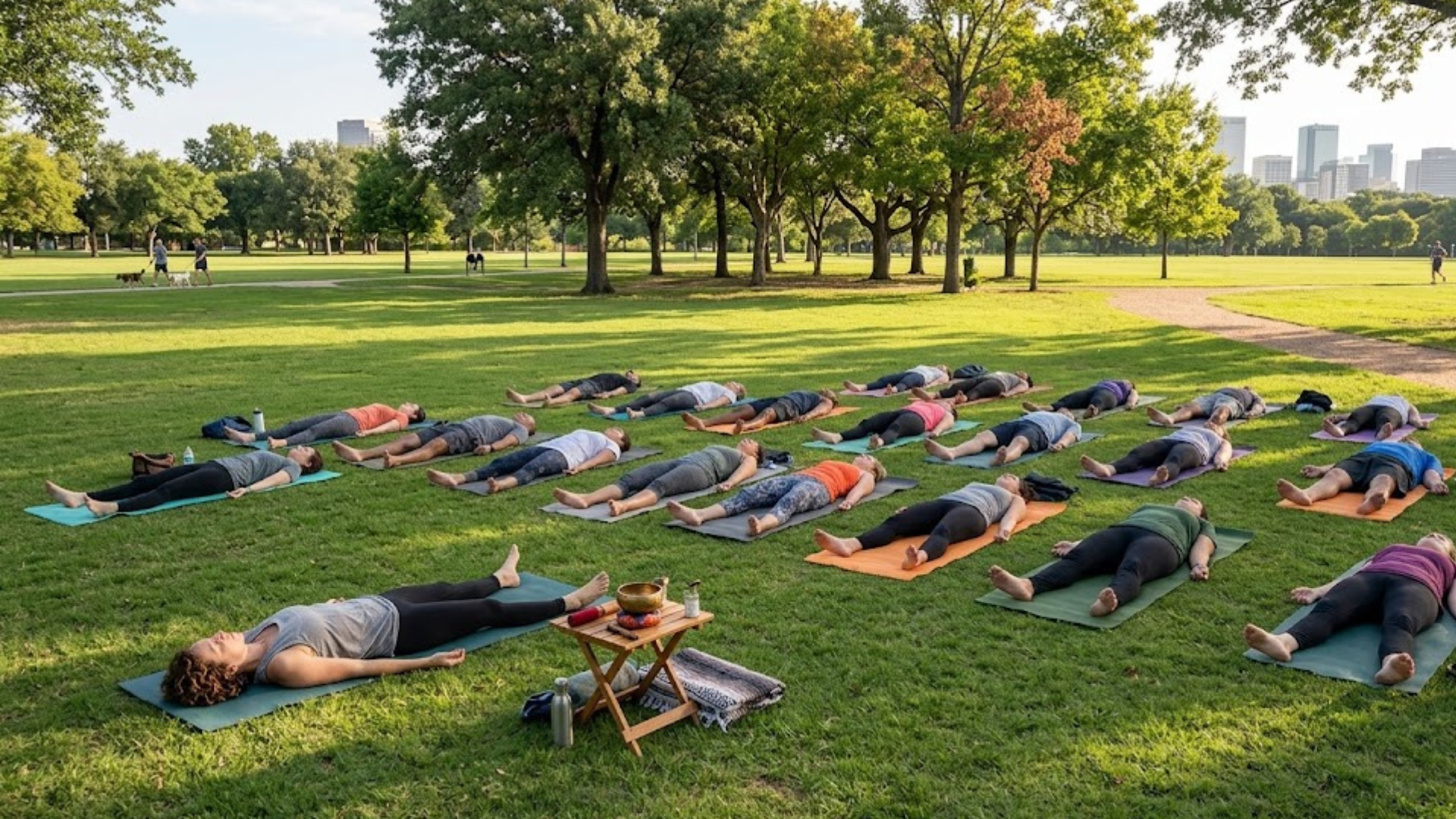
When you start your day this way, you're not just managing anxiety, you're retraining your system to feel safe in the morning. And that safety carries forward into every decision, every interaction, every moment of your day.

Somatic Work for Entrepreneurs
The drive that got you here? The relentless work ethic, the ability to push past discomfort, the refusal to quit? That's not always ambition. Sometimes, it's a trauma response. Learn how Somatic Experiencing can help your nervous system move from survival to sustainable regulation.

Peak Performance State
The drive that got you here? The relentless work ethic, the ability to push past discomfort, the refusal to quit? That's not always ambition. Sometimes, it's a trauma response.
Somatic Experiencing with Collective Consulting
Trauma doesn't live in your thoughts. It lives in your nervous system. Learn how somatic work helps your body complete the stress cycle and finally turn off chronic anxiety.

Symptoms of High-Functioning Anxiety
High-functioning anxiety doesn't always look like panic attacks or spiraling thoughts. More often, it lives in your tight shoulders. Your clenched jaw. Your poor digestion. Your restless sleep.